My Garden in Summer, 2014
A photographic essay
A photographic essay


Bushwalks and hikes in Tasmania and the world
My next interaction with them was in 1997. I had just come 5th in a World Cup race in Austria and was invited by a headhunter to participate at Sexton (ITA). Could my manager (daughter) come too, I asked? Yes. Could she be given an elite start and race juniors? Yes. This meant that all our transport, accommodation and food costs were covered, plus an appearance fee. We were on.
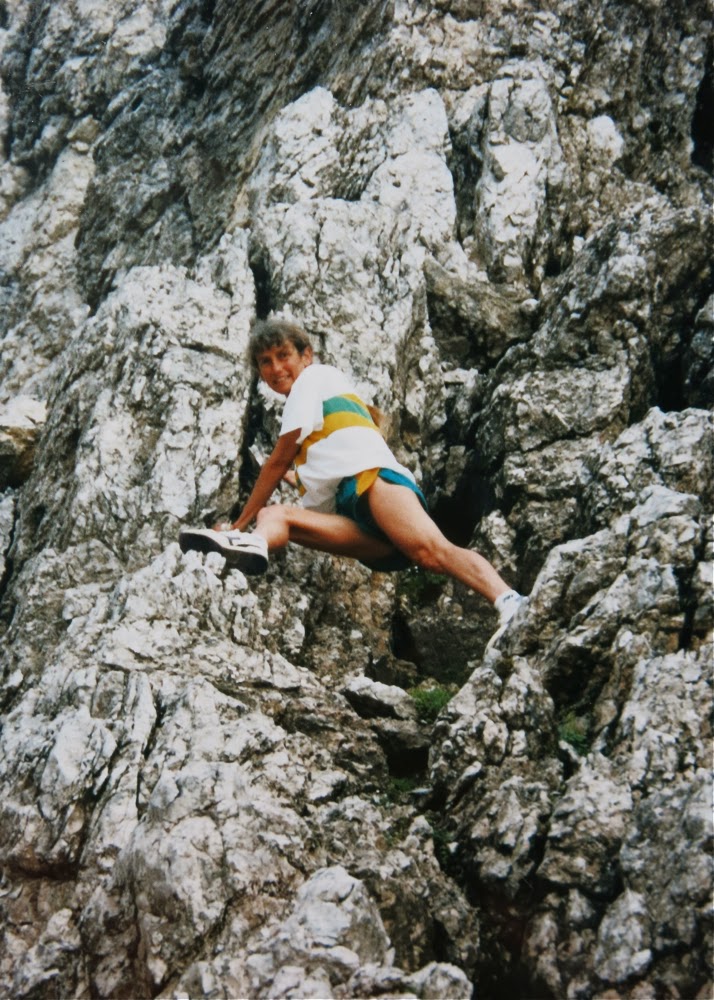
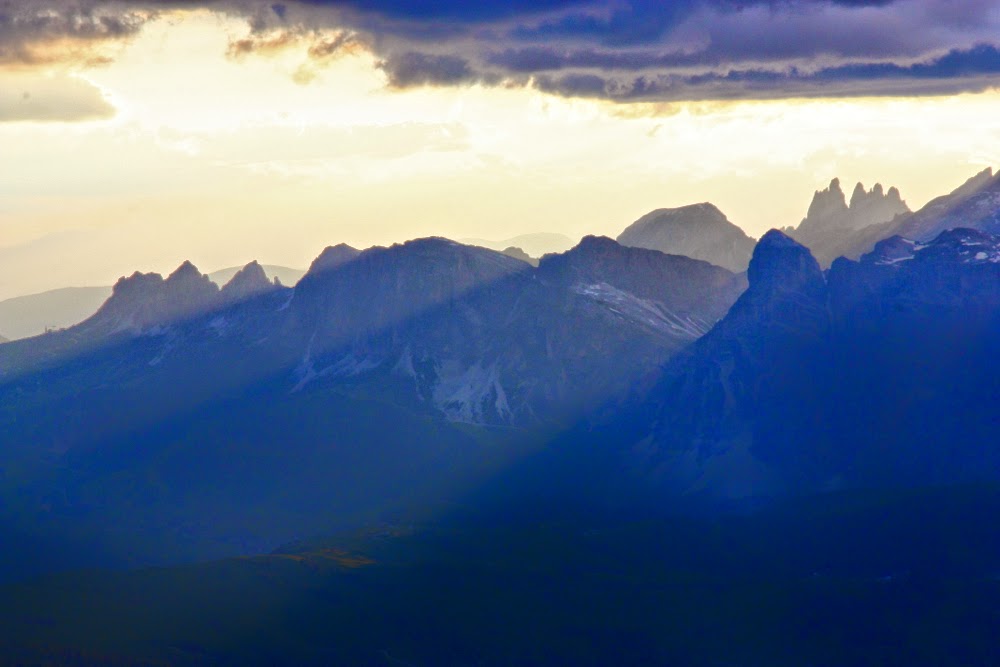
Our accommodation, Kreuzbergpass Hotel, was absolutely brilliant, situated with shapely mountains all around, walking and running right from the door, and, almost as exciting, it boasted a famous chef whose meals were utterly memorable. By the time we’d arrived, we’d both just raced the IAAF World Championships, and this Sexton event was in my two-week “let my hair down” period after the Worlds. If you’re going to be a glutton, THIS is the place to do it.
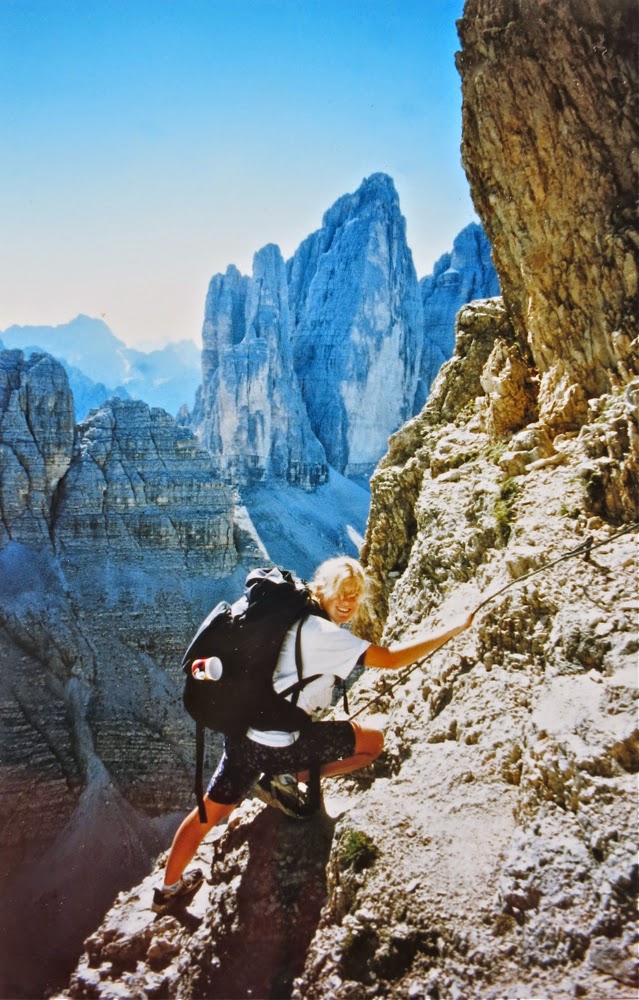
“No worries. Australia very fit-a,” I rather cheekily replied, with a nonchalance that I didn’t quite feel, but it was simply too beautiful to do the right thing and laze by the pool, reclining supinely.
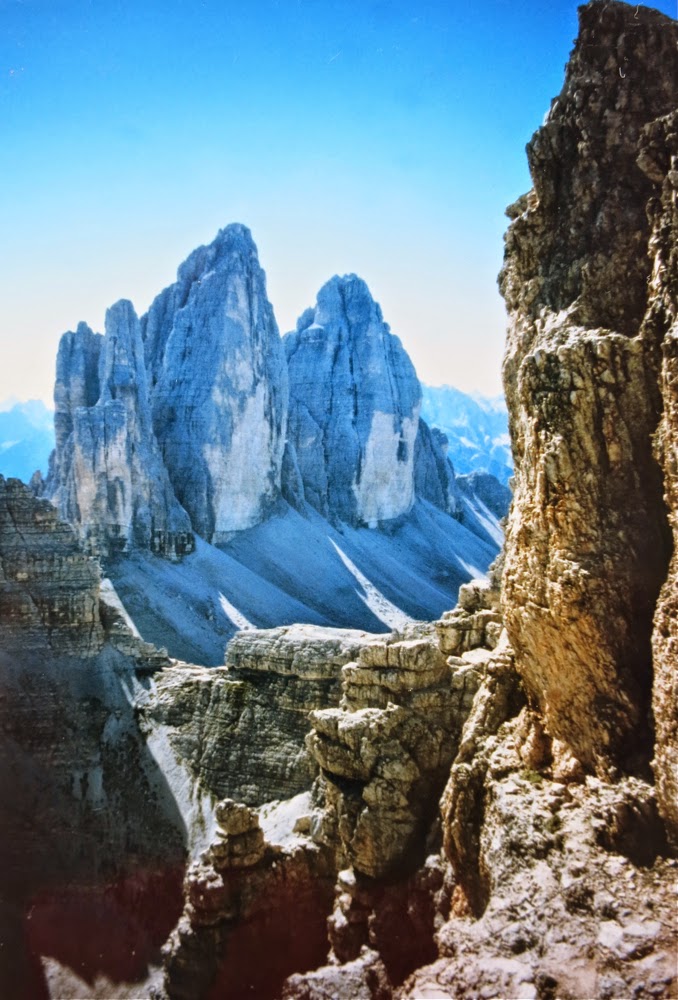 We were expected to rest instead of exploring THIS??
On race day, the foolhardiness of my attitudes sank in as SKY-TV approached me for an interview, and as I watched the normal set of fit mountain runners warming up, and, in this case worse – as they hadn’t just killed themselves racing the Worlds like we had – the Italian XC Ski team had also turned up, and if you know anything about sports’ science, you’ll know that XC skiers are amongst the fittest individuals on earth. Mountain running, more than anything else, is a test of fitness and determination. XC skiers medal in both categories. Help.
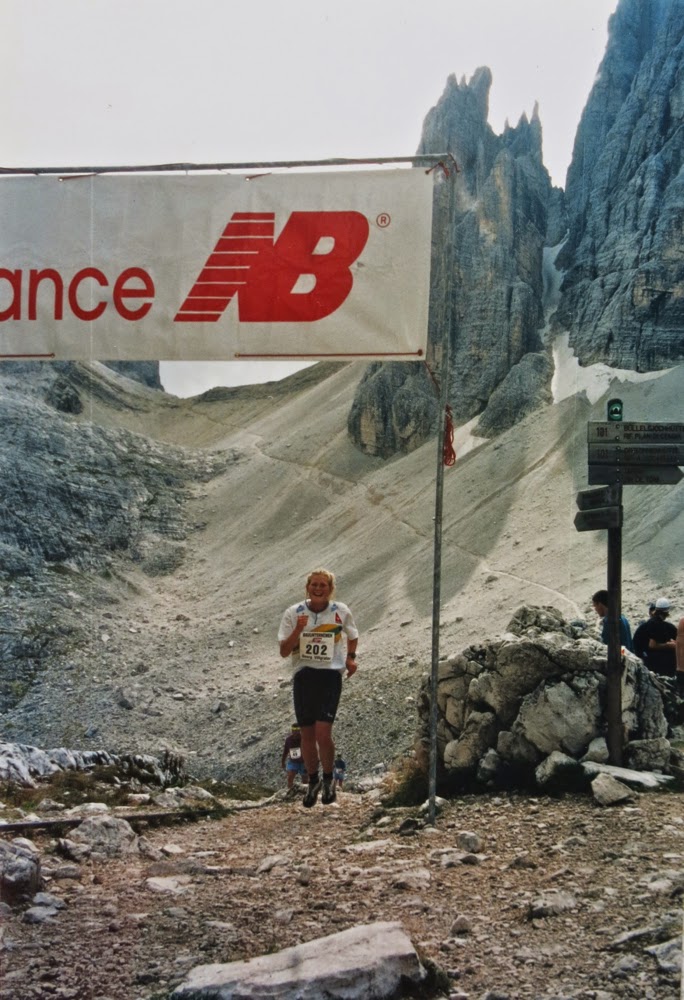 Happily, the story ends well. Australia produced what they wanted. Kirsten finished first junior, and in the overall money as well. I won the seniors. Italians love winners.
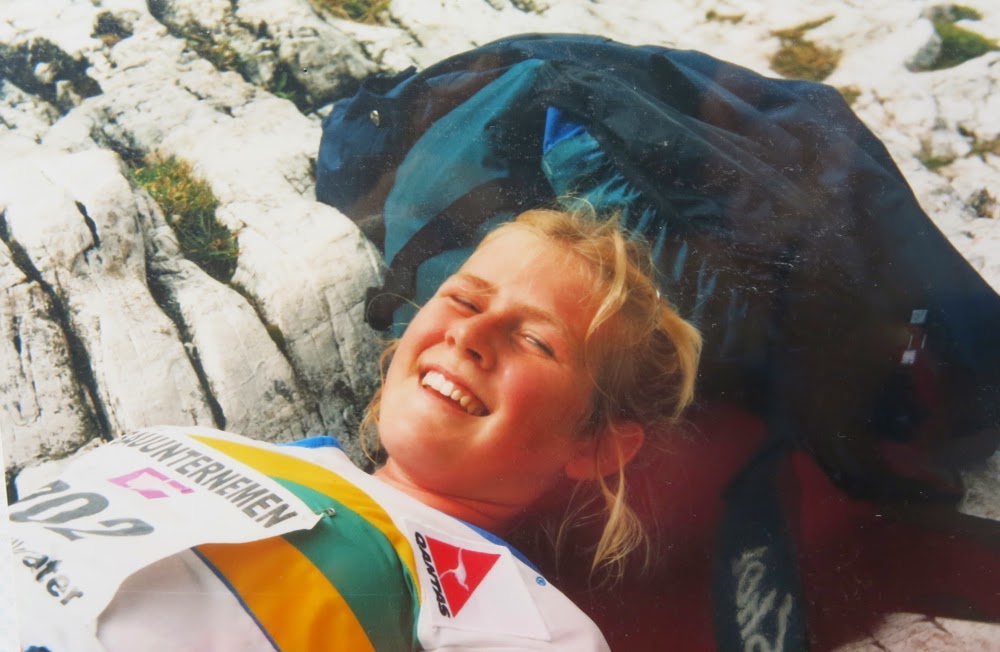 Tired, but very happy.
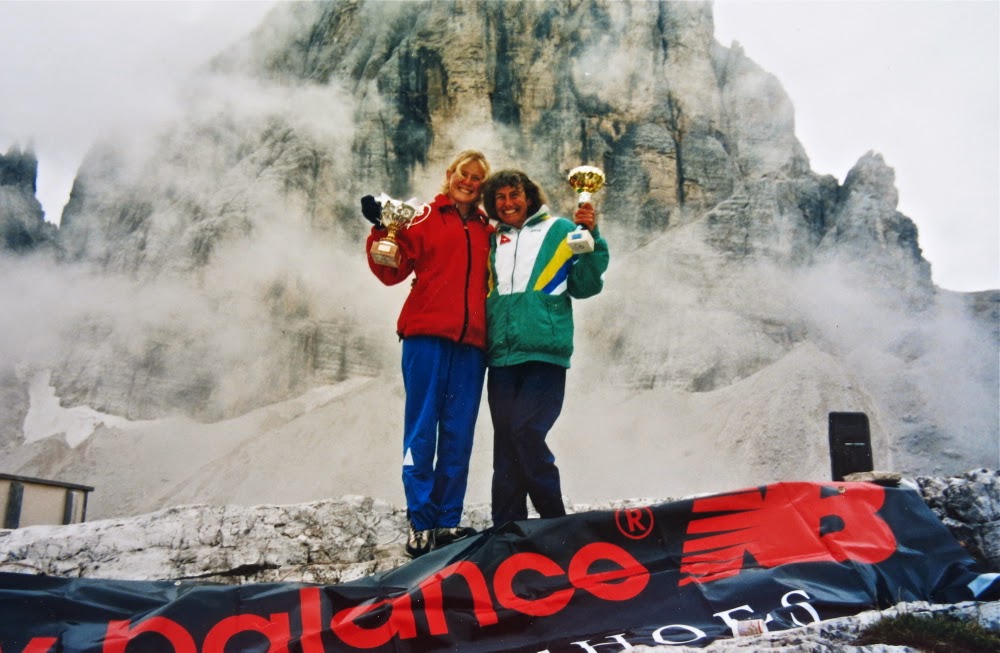
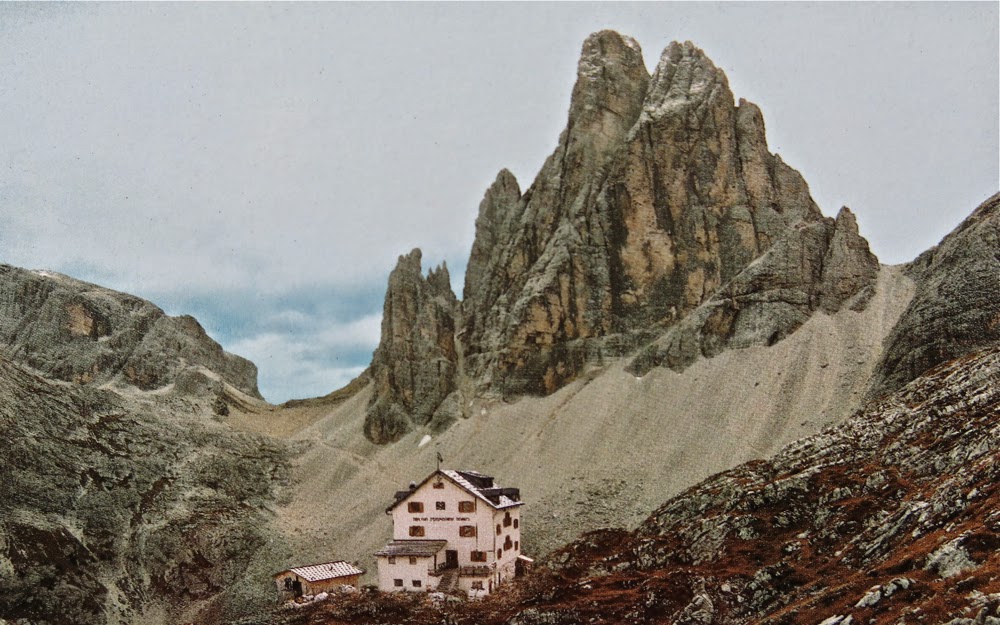
We were given amazing treatment post race, including more free food and accommodation, this time up high in the Zsigmondyhuette (above).
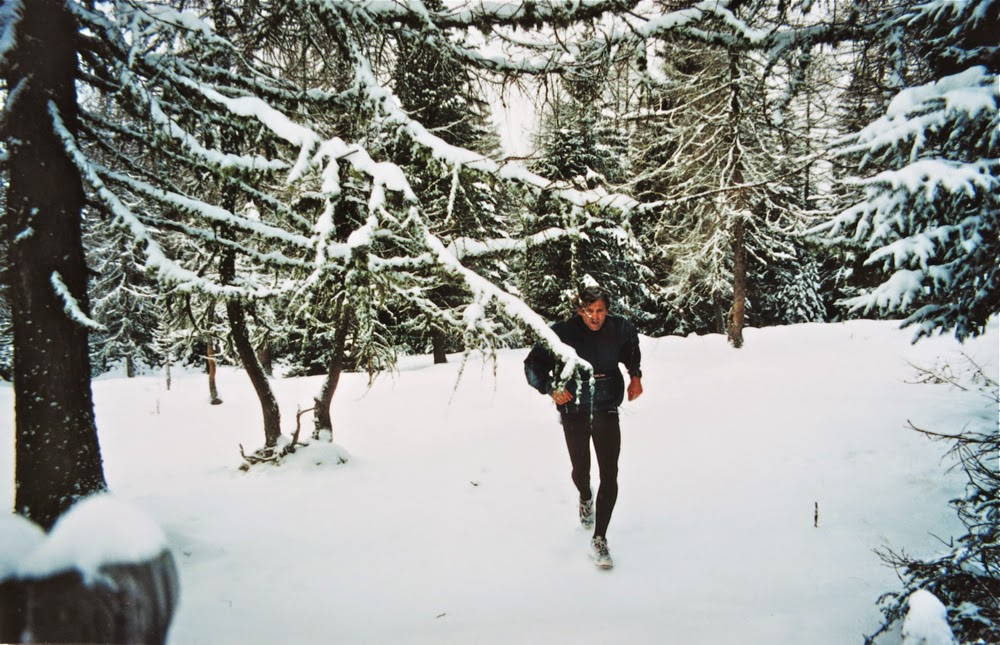
Sexton thus has a very special place in my heart, and in 2000, when I was at Klagenfurt University (AUT) for a semester, we returned there as a family to go running in the snow along the lower paths.
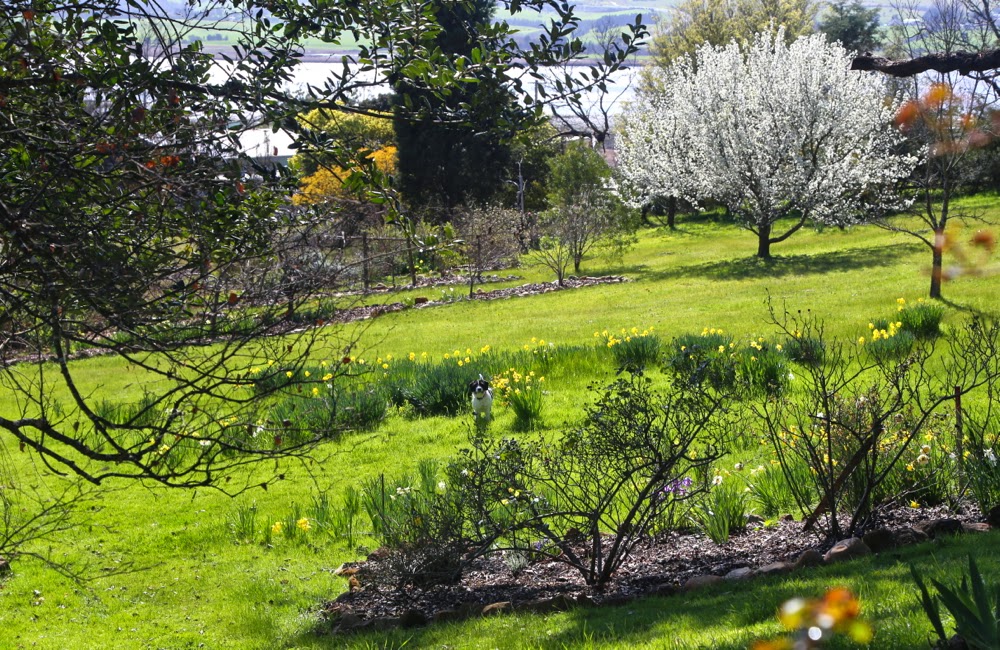
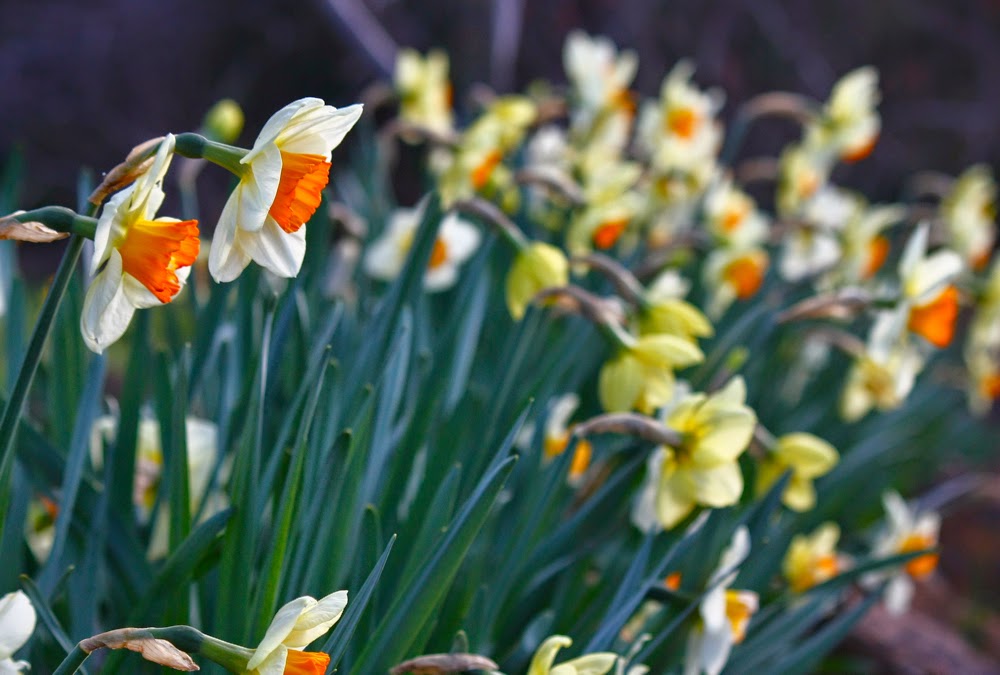
Naturelover is back flirting with cultivated nature. Early spring means for me, above all, daffodils, and not just because I love Wordsworth and the Romantic poets. Who can resist the sight of a thousand smiling suns waving good morning at the start of each day? In the south of Italy, Goethe was fascinated by the profusion of nature, and also by the way that nature could manifest itself in so many different variations on a theme. Daffodils have a lot of alteration at the hands of humans in this matter, as we have experimented with different forms and colours, accentuating this or that feature of the flower. Be that as it may (that is, they are hardly pure, unadulterated nature), I still can’t help loving them. Like Goethe, I love light, and I adore the way the light shines through the petals.
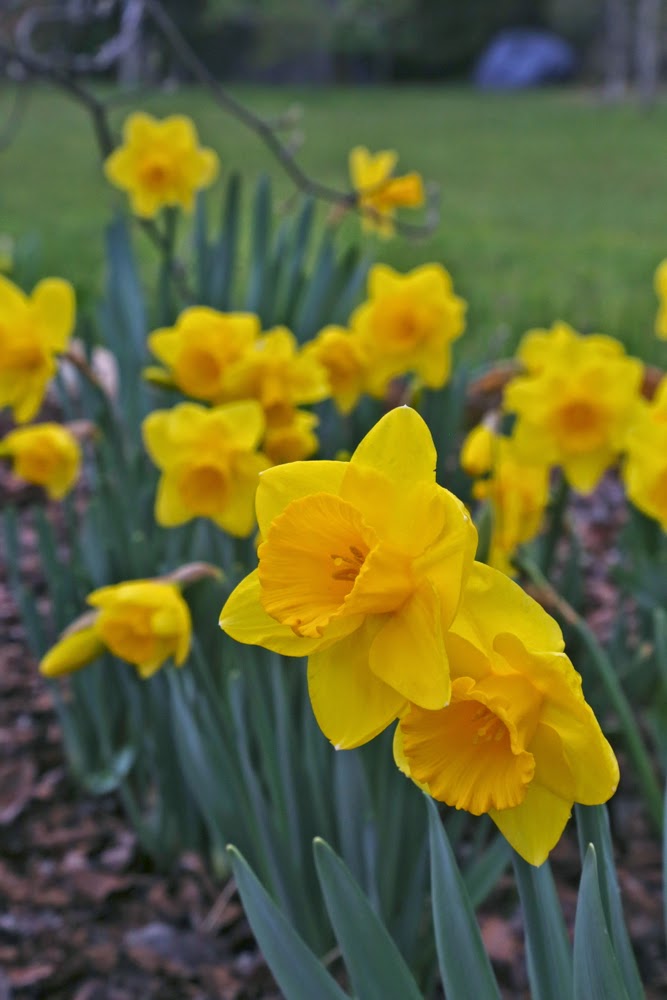
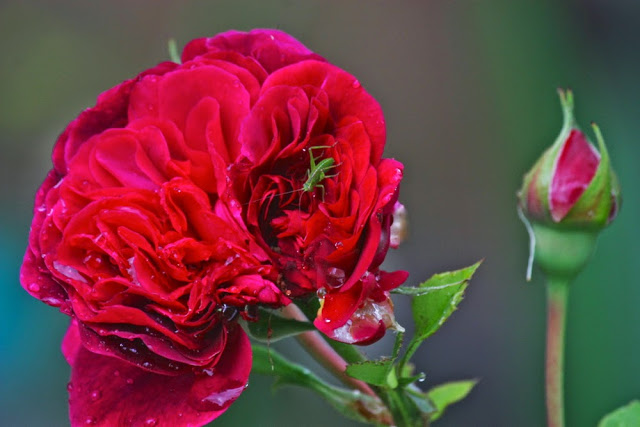
Here are some shots of my garden this year so far. We only have a few more weeks of daffies, and already other buds are thickening up. Soon I’ll be raving about cherry blossom and crab apples. Early roses are already greeting me, trying to eclipse the daffodils with their beauty, but my heart in September only has room for daffies.
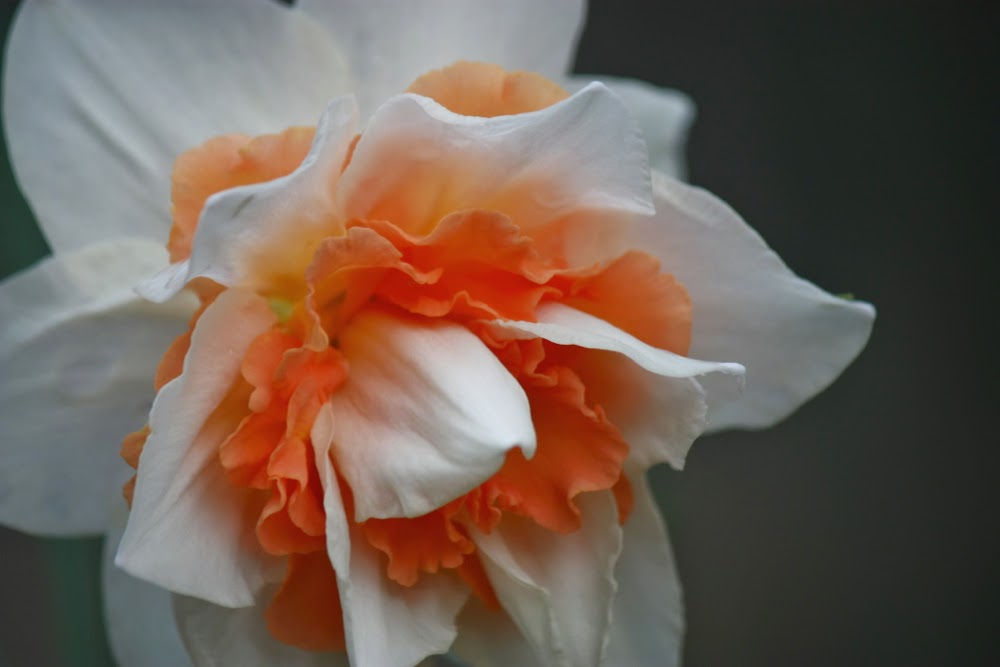
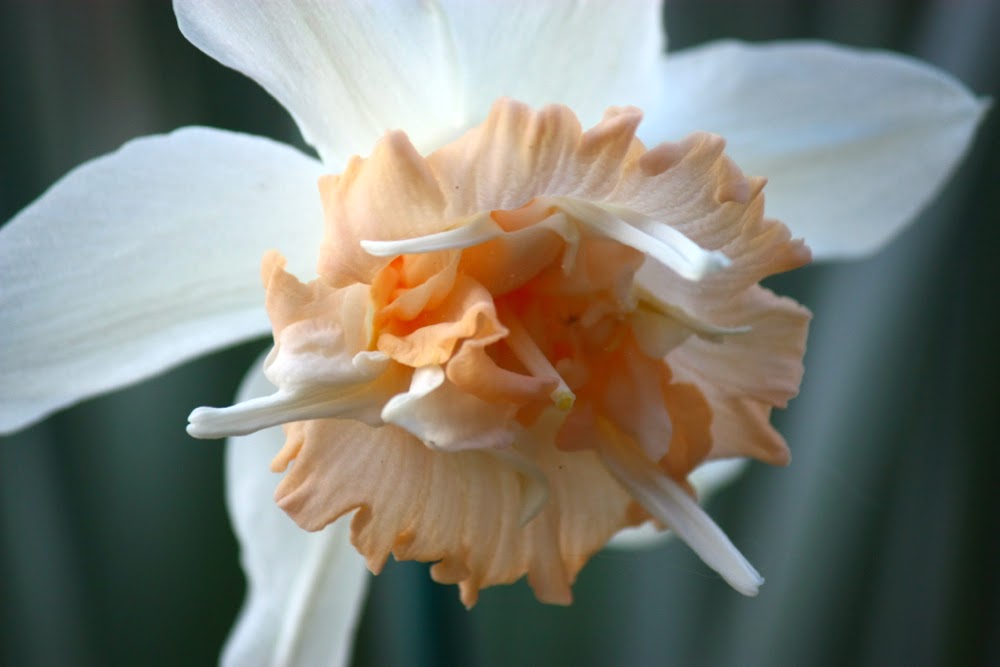
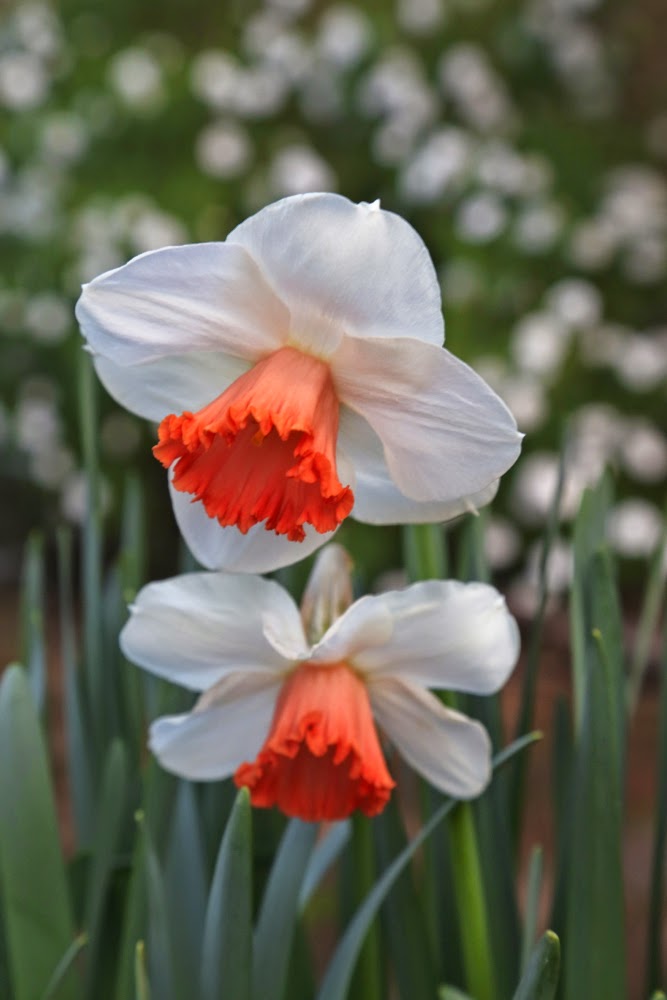
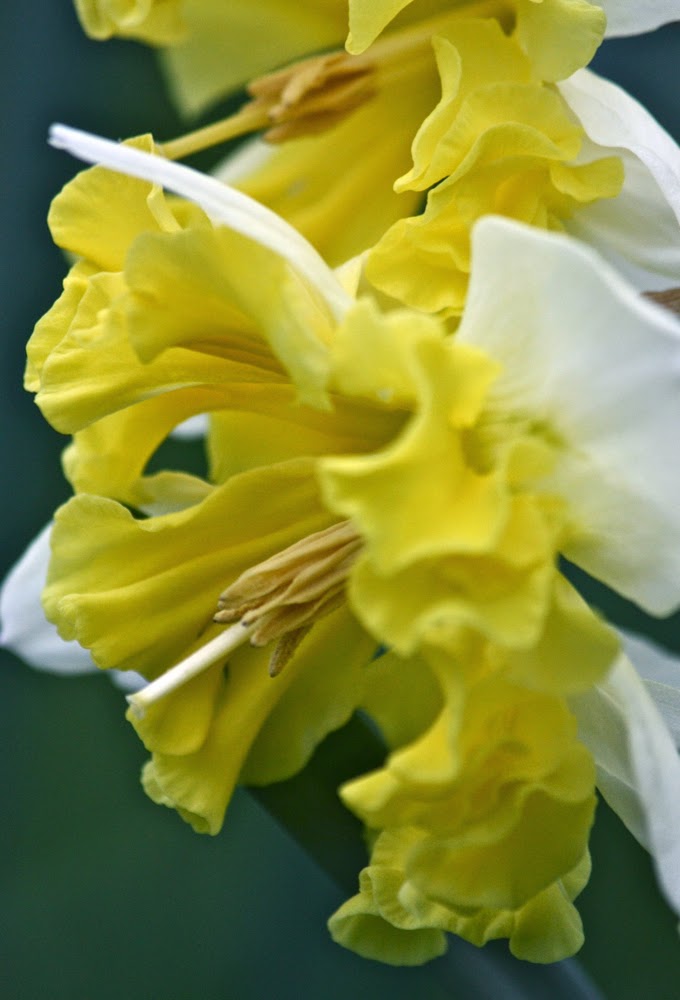
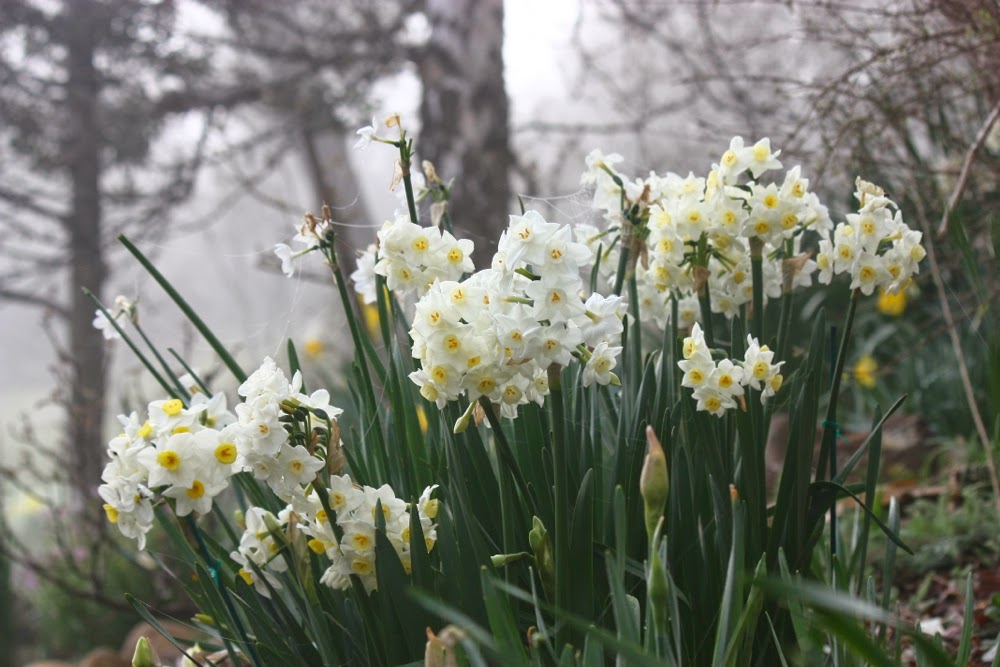
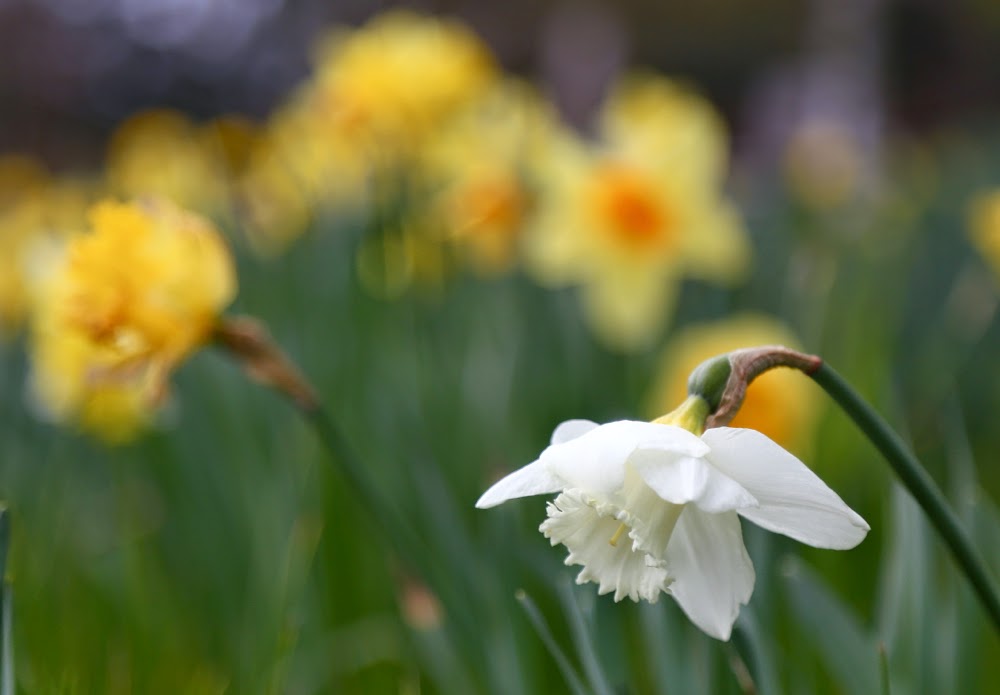
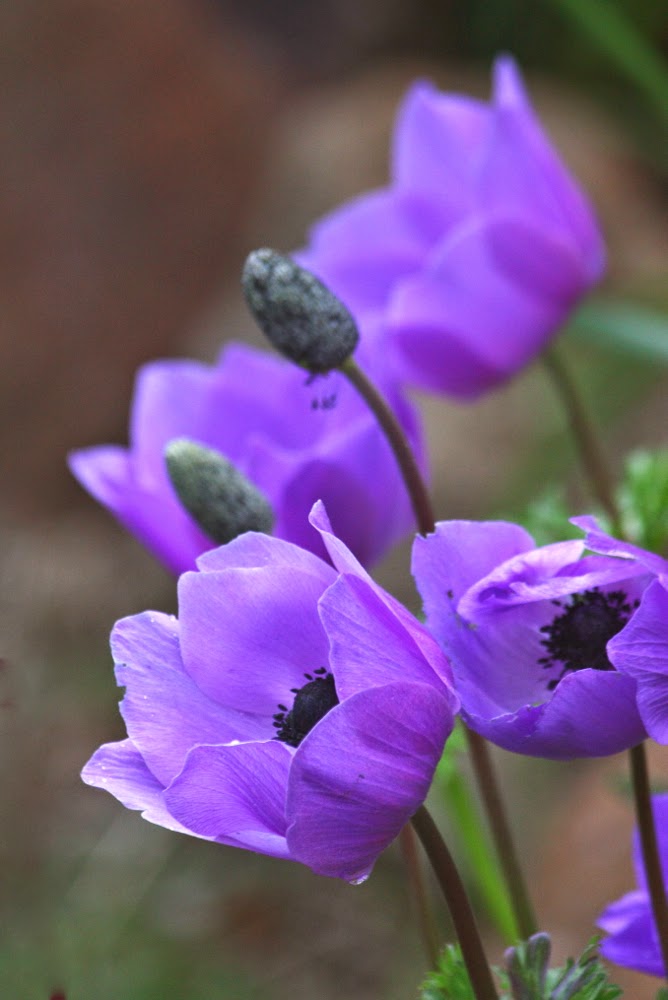
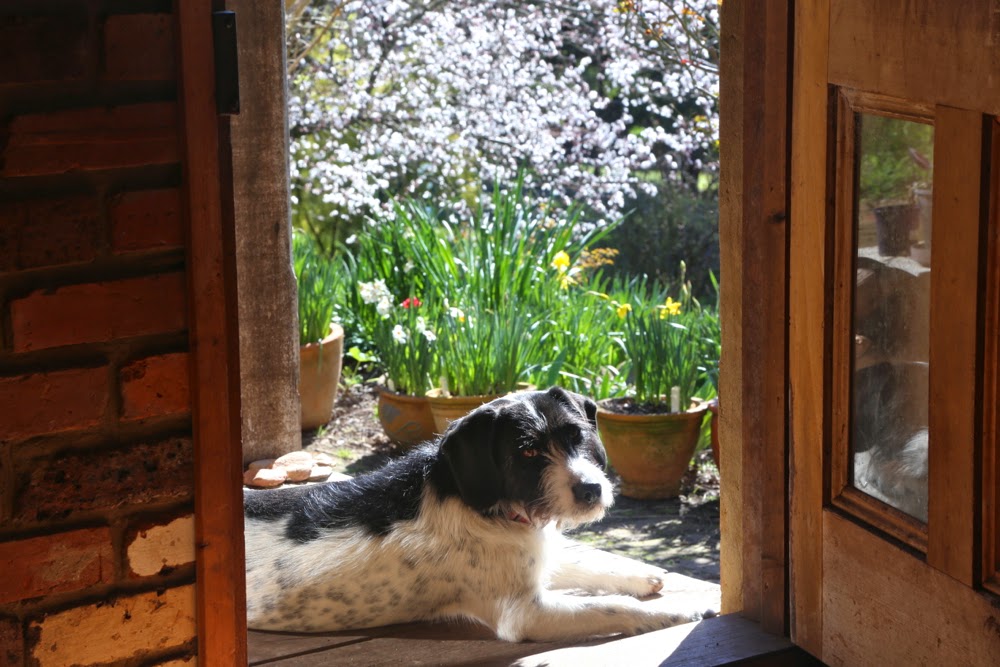
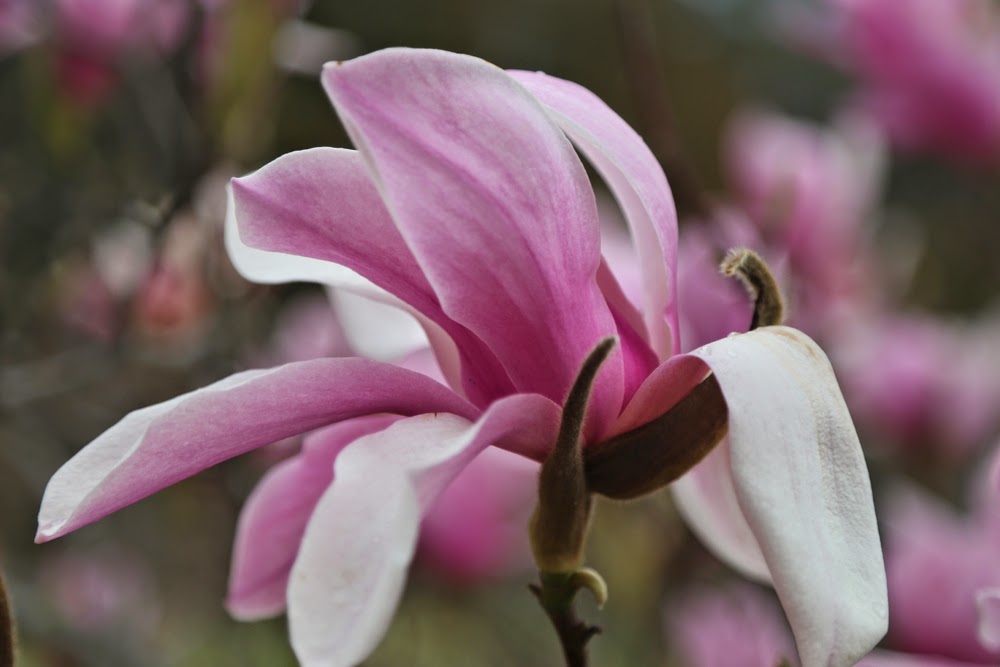
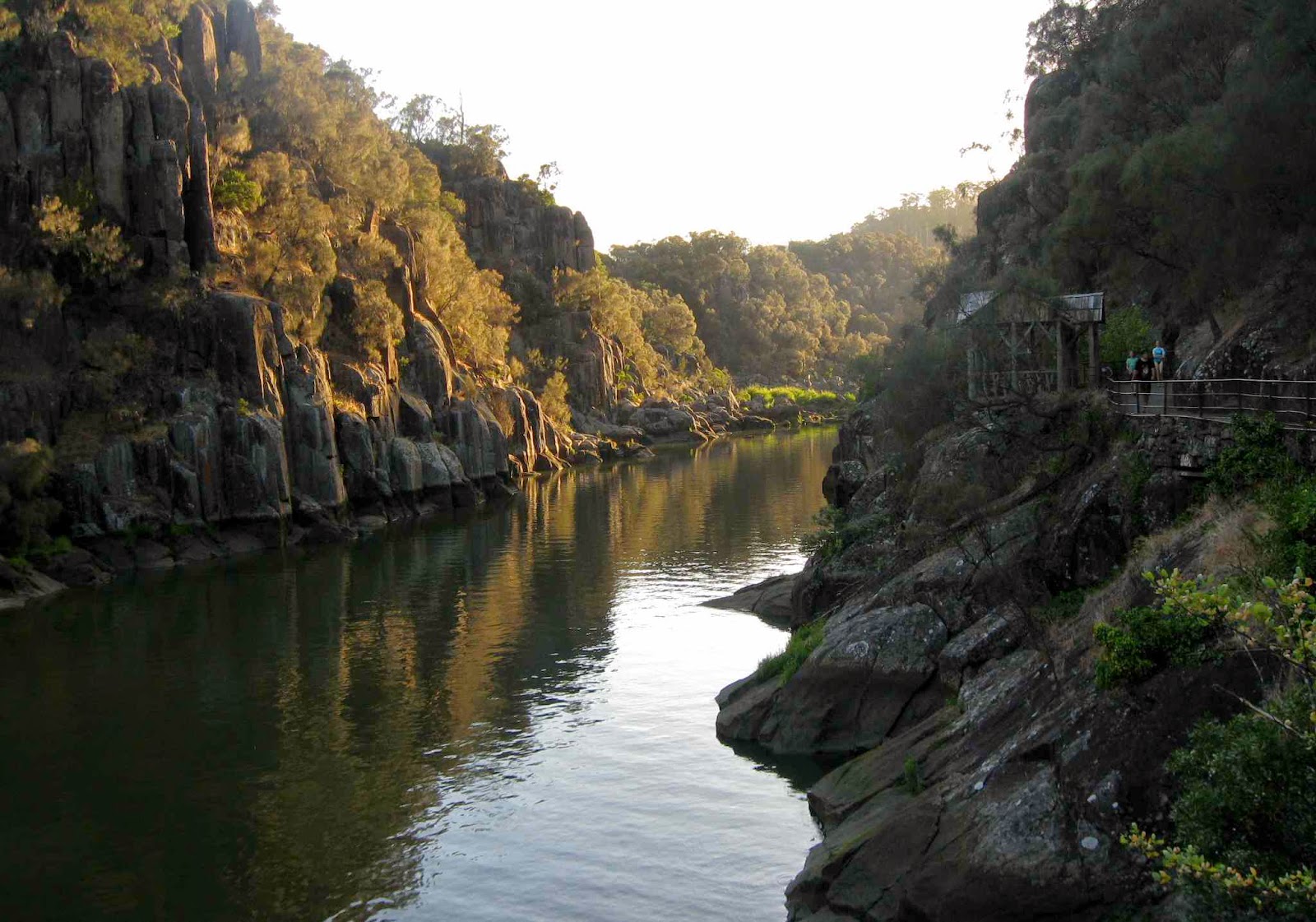
My mouth has been in pain all week, so much so that I – a loather and normal refuser of painkillers – have consented to dulling my sensory receptors so I can eat. I’ve been out of sorts and feverish: it must be a good weekend to play in the garden and with the dogs, have a break from driving and go running in the Launceston Gorge instead of walking.
We pulled and tugged at weeds; I tilled the soil with my trident and combed it with my fingers so I could feel its texture and have proper skin-soil contact. I searched for worms and found too few, said “hello” to myriad narcissus shoots searching for the sky, delighted in the sight and smell of roses that have survived the recent heavy frosts, and spread huge mounds of leaves I’d raked onto the garden beds to help enrich the soil whilst keeping weeds at bay: earthy, elemental jobs that keep me in touch with nature and the fabric of life. I also mulched with branches we’d chipped – fallen or pruned from our trees – and with manure gathered from Harriet, Hilda and Sir Galahad’s contributions: we give our scraps to them, they scratch some and eat some and give us eggs and manure in return that we give to the plants to make new veggies, the scraps of which return to the chooks. Round and round goes the cycle of life.
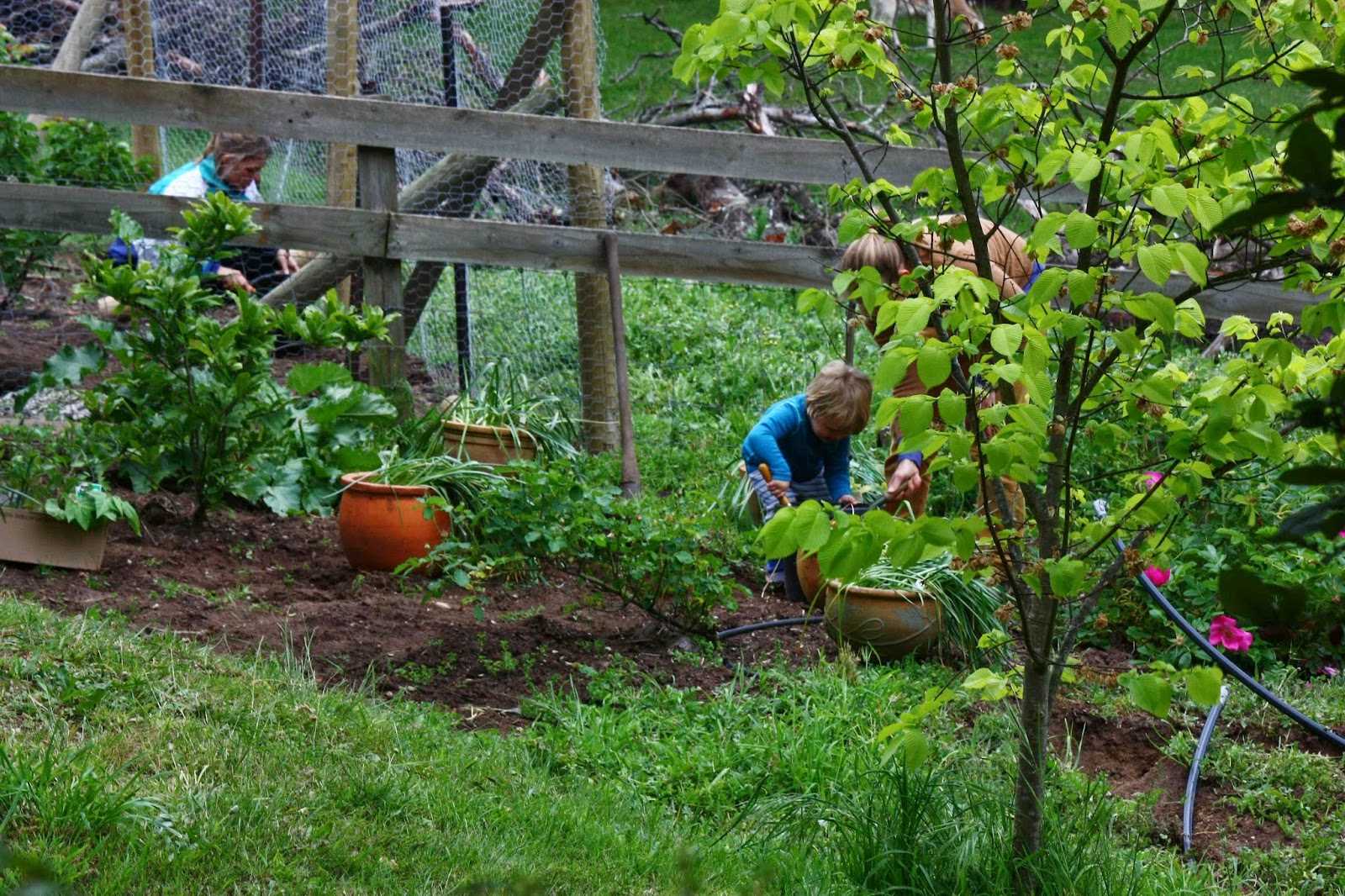
Toddler Gussy participates in the cycle of life while Elin, our Swedish visitor, gathers manure from the chook pen. (Photo taken November last year)
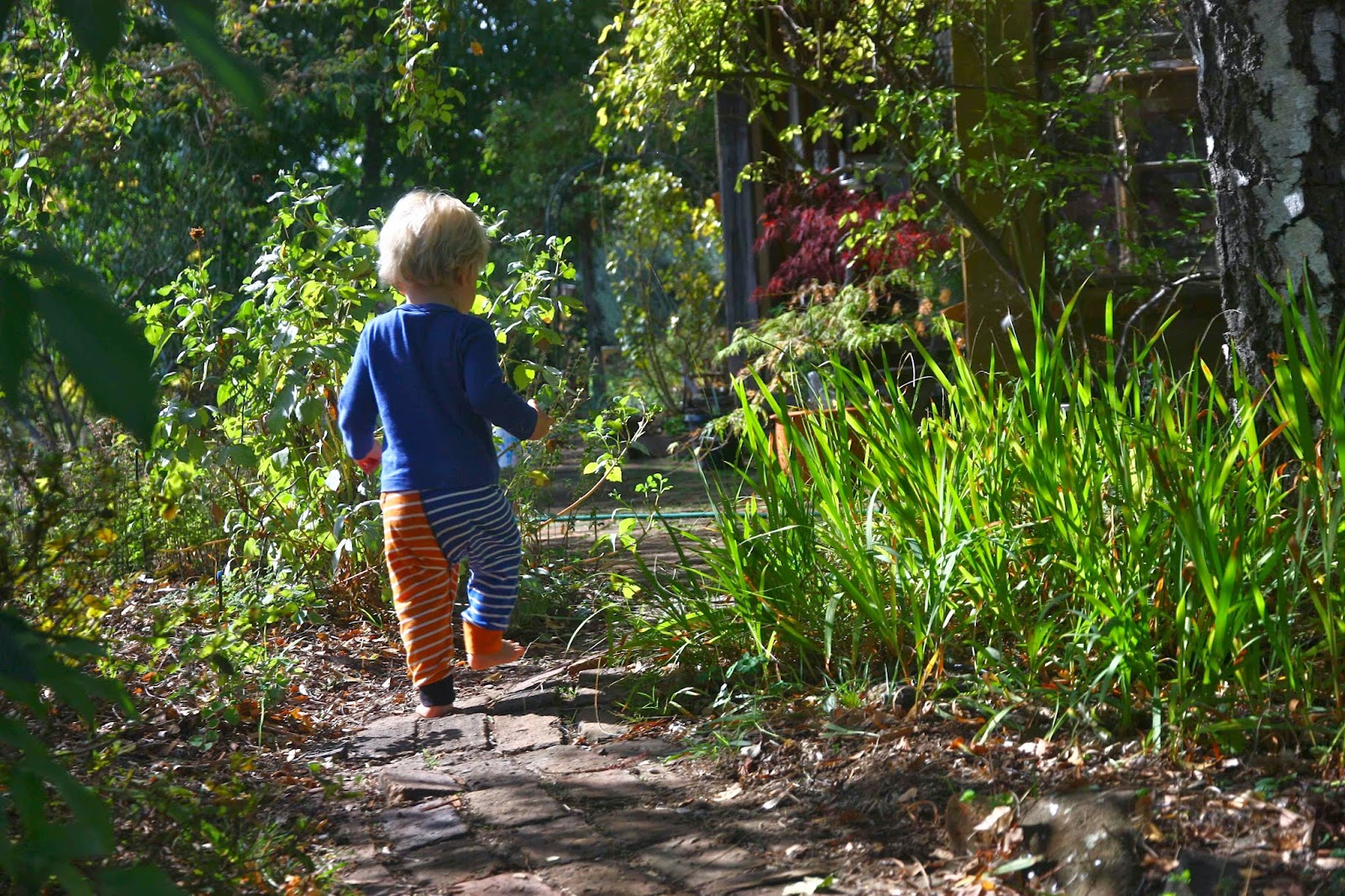
Gus marches an egg to the house
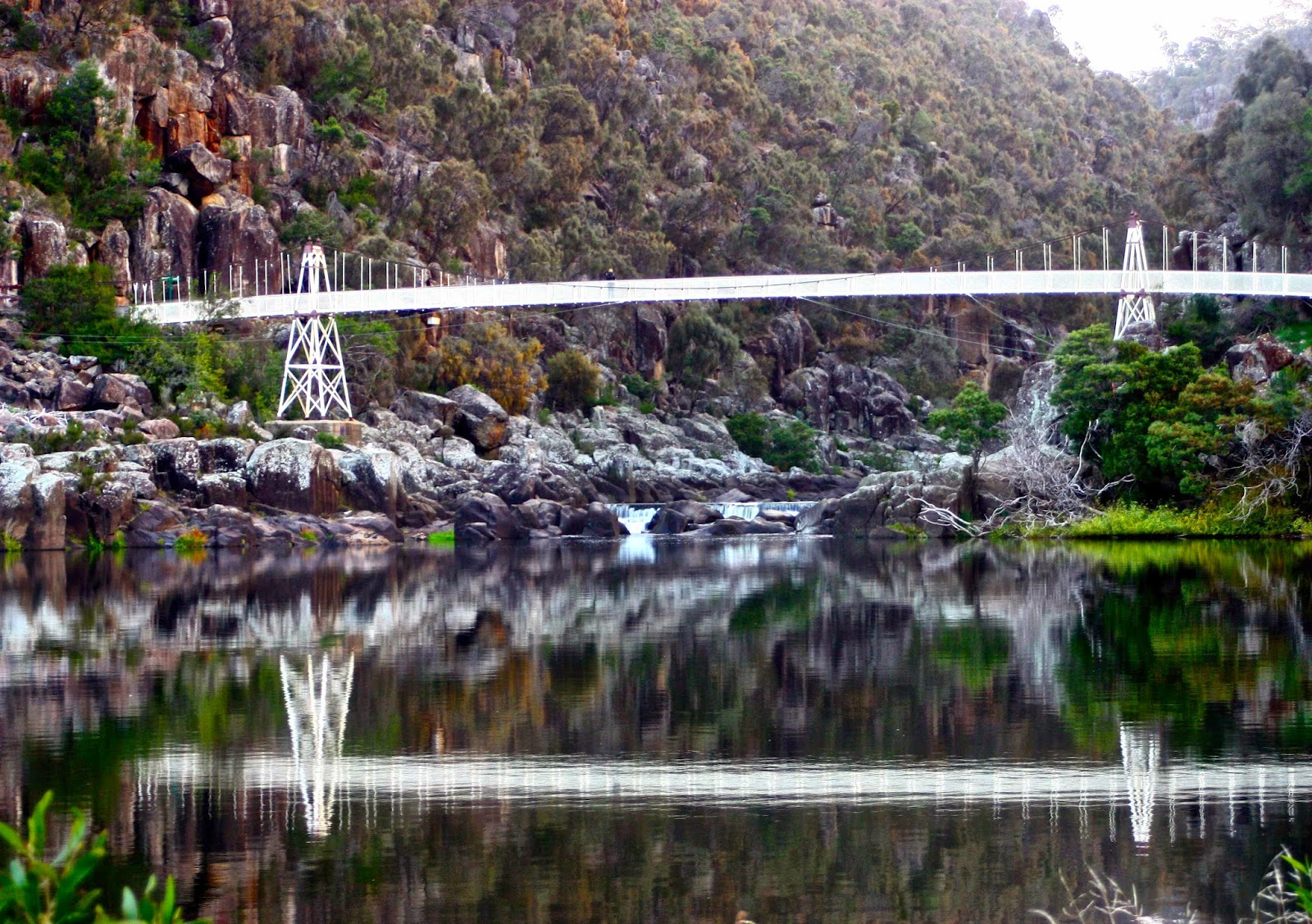
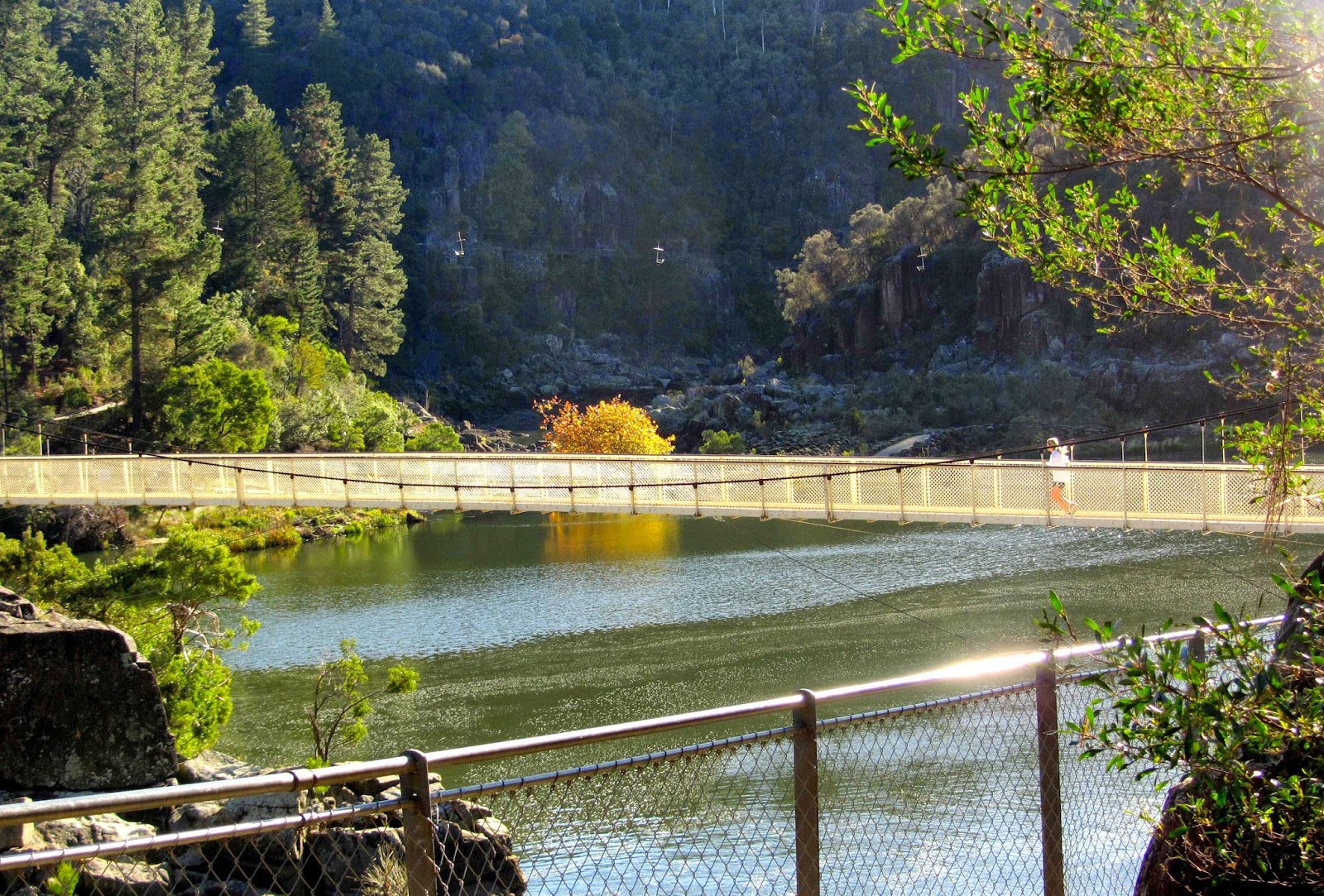
And we ran in the gorge – the beautiful Launceston Gorge with its emerald waters – past the bridge that, in the right weather, perfectly reflects the rocks that frame it. These rocks are always interesting, blotched with patches of lichen in browns, creams, olives and rusts, and often topped with rich green mosses, oozing life and zest. Ducks and swans cruise around here. In summer, we even see seals playing or sun baking.
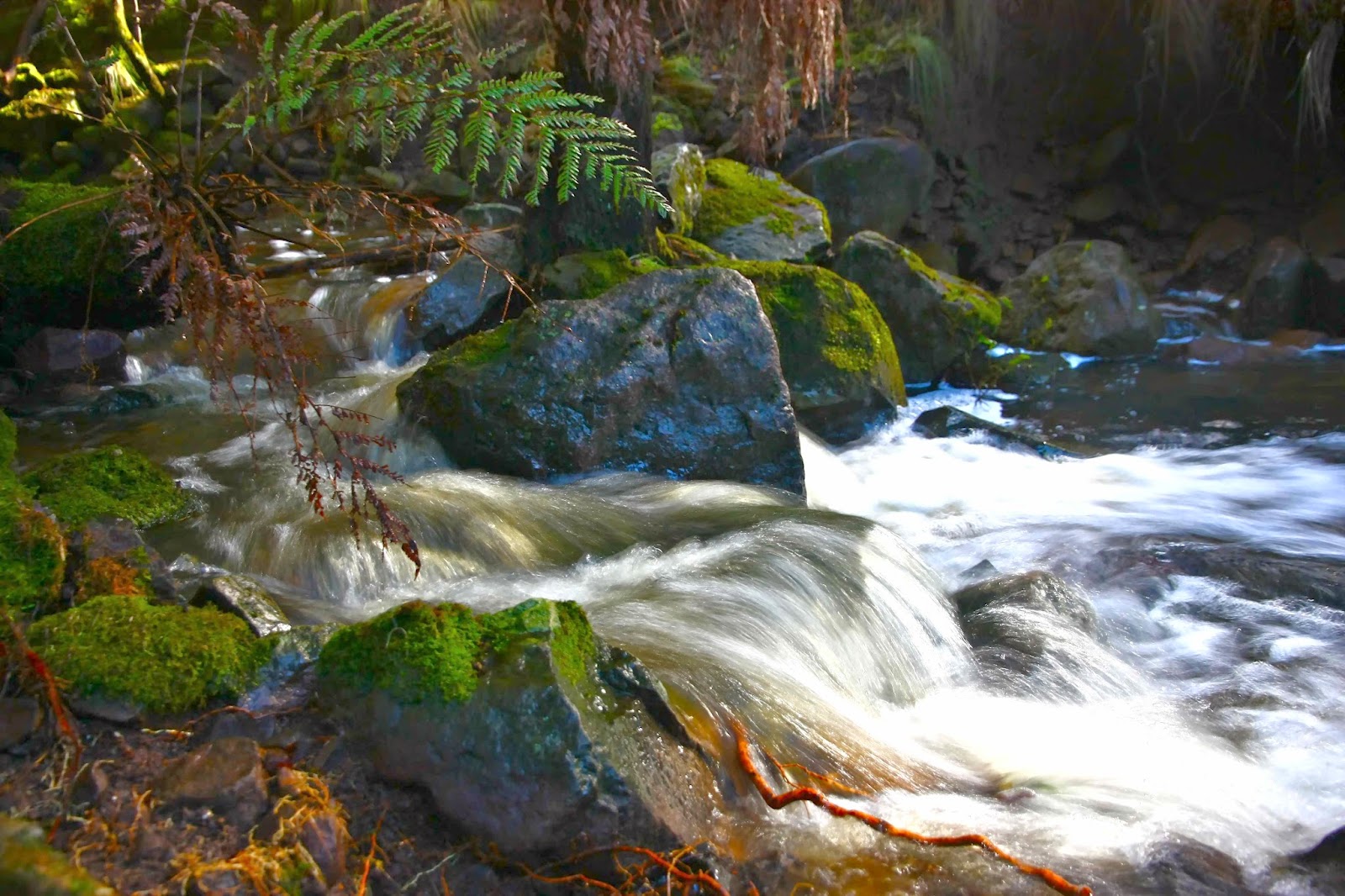
As you run higher, the river narrows and becomes a series of white ribbons of light, cascading over the taupe grey rocks, the water funnelled and directed by the shape of the rocks in its path. Eventually, if you run even higher, you reach an open area called ‘The Basin” – where rocks and bush form an amphitheatre around a luxurious expanse of water, where we all used to gather on warm evenings or hot weekends to swim in a natural setting, light shafting in between the rocky towers. Teenagers jumped off dolerite columns; we all rode logs of driftwood like horses, trying to balance on them; there was an atmosphere of community health and enjoyment … and then our council sold its soul to profit, failed to control the big business that should deal properly with our sewerage, and now no one swims in those polluted waters except uninformed tourists who must wonder why they swim alone.

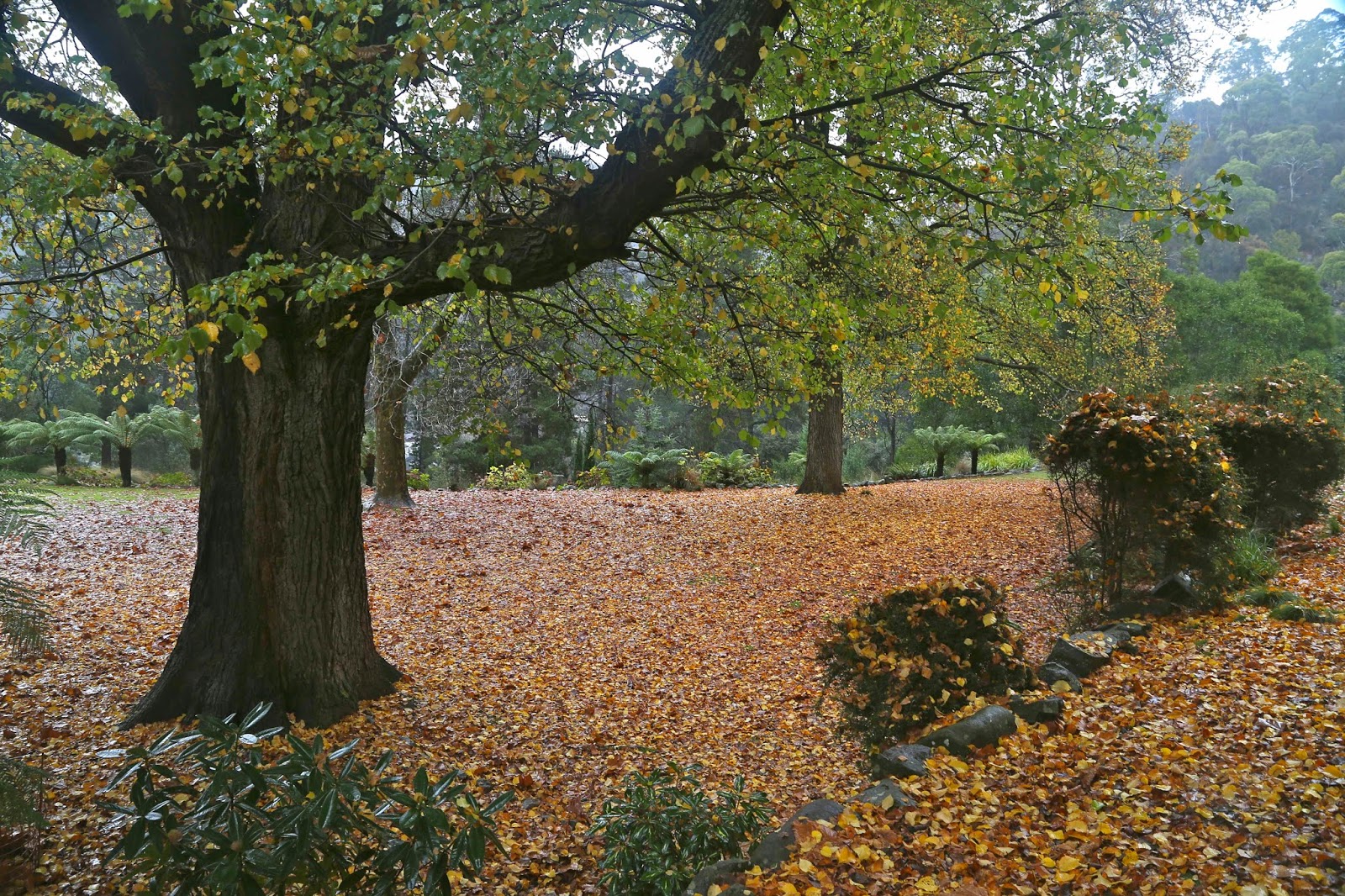
My favourite tree, a linden.
After the Basin, the path swings away, continuing upstream. In fact, one can choose from a variety of paths, but my favourite pursues a course that has the stream down below me to my right, but still audible and visible at all times. I run until I reach a second suspension bridge, higher up, and then have a variety of tracks to choose from that bring me back to the Basin a different way, through appealing place names like Dead Man’s Knoll or Snake Gully Head, possibly intended to keep tourists in the nice safe manicured section, out of harm.
Sometimes when I run, I am amazed to see people walking or running, completely zoned out. You smile and nod, but they stare into space as they go past, not noticing that another human has tried to interact. As they can’t hear words like “hello”, or “Excuse me” when you try to get past them (they’re often hard to get around), and can’t see a smile on a face, then I can only assume they also fail to hear and see the sounds or sights of the gorge. What they’re missing! The sound of the river trickling or of it rushing furiously in flood, the sound of the little birds playing or of the wind in the trees. Nature’s music will always sing to my heart above metallic noise.
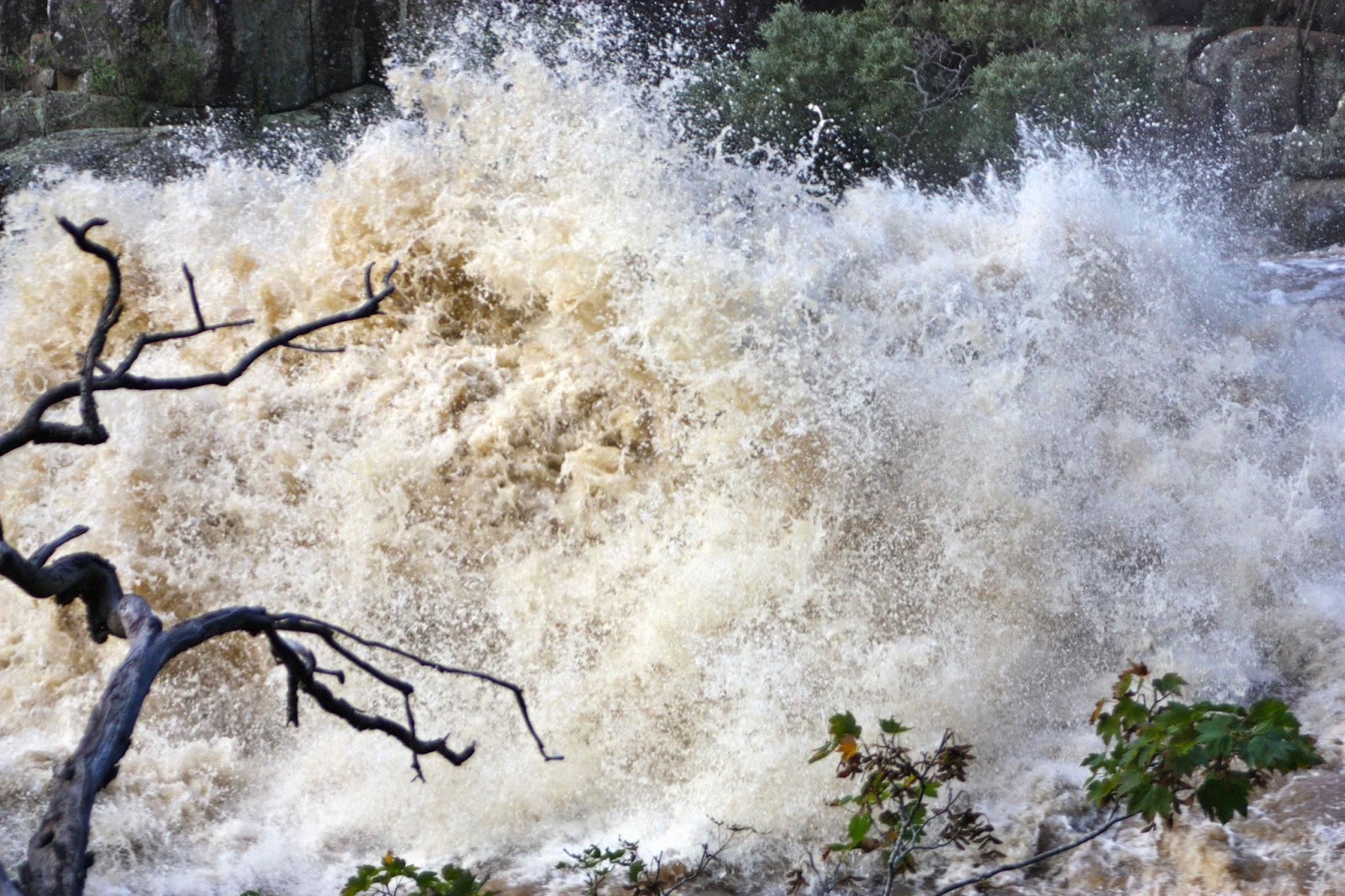
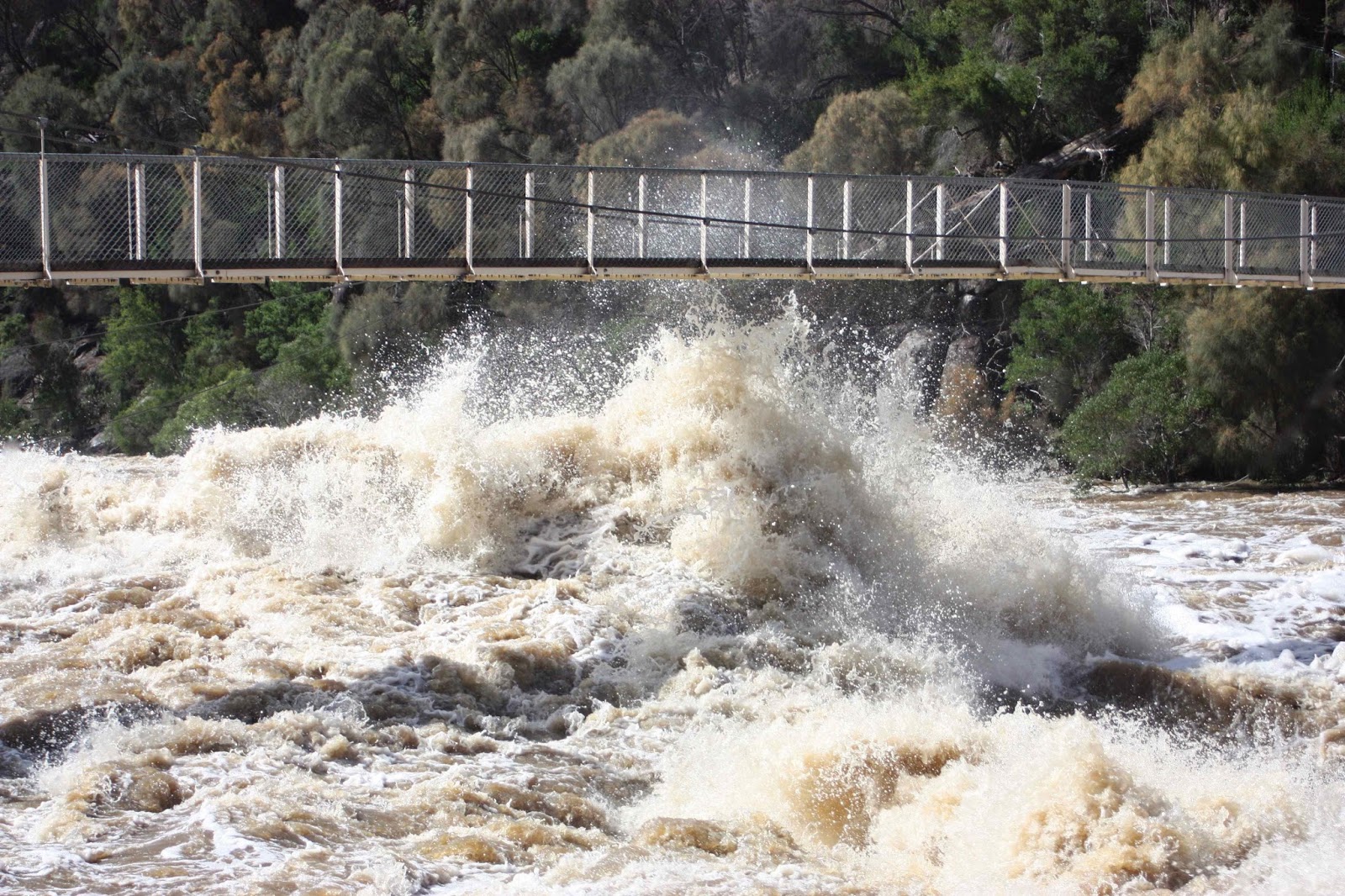
Sometimes the waters of the gorge are the merest trickle, quietly seeking the larger junction of two rivers that combine to form the main harbour of our town, but other times the waters are a torrent to rival any mighty flood as unbelievable quantities of it rush down the narrow space between the two walls of rock flanking it, in unchecked, wild fury. Leaning over the railing, I can stand mesmerised for ages taking in my own small size in the presence of that natural force. In 2016 there was a tremendous ands wonderful flood, but instead of allowing the denizens of our town to witness this spectacle, and to perhaps learn a little of humanity’s place in the presence of vast nature, our timorous council locked us all away lest people get their toes wet and moronic judges allow them to sue council and get away with it. A society that fails to think beyond litigation denies its members a full experience of life, and thus reduces the possibility that its younger citizens will ever learn their place in the natural scheme of things.
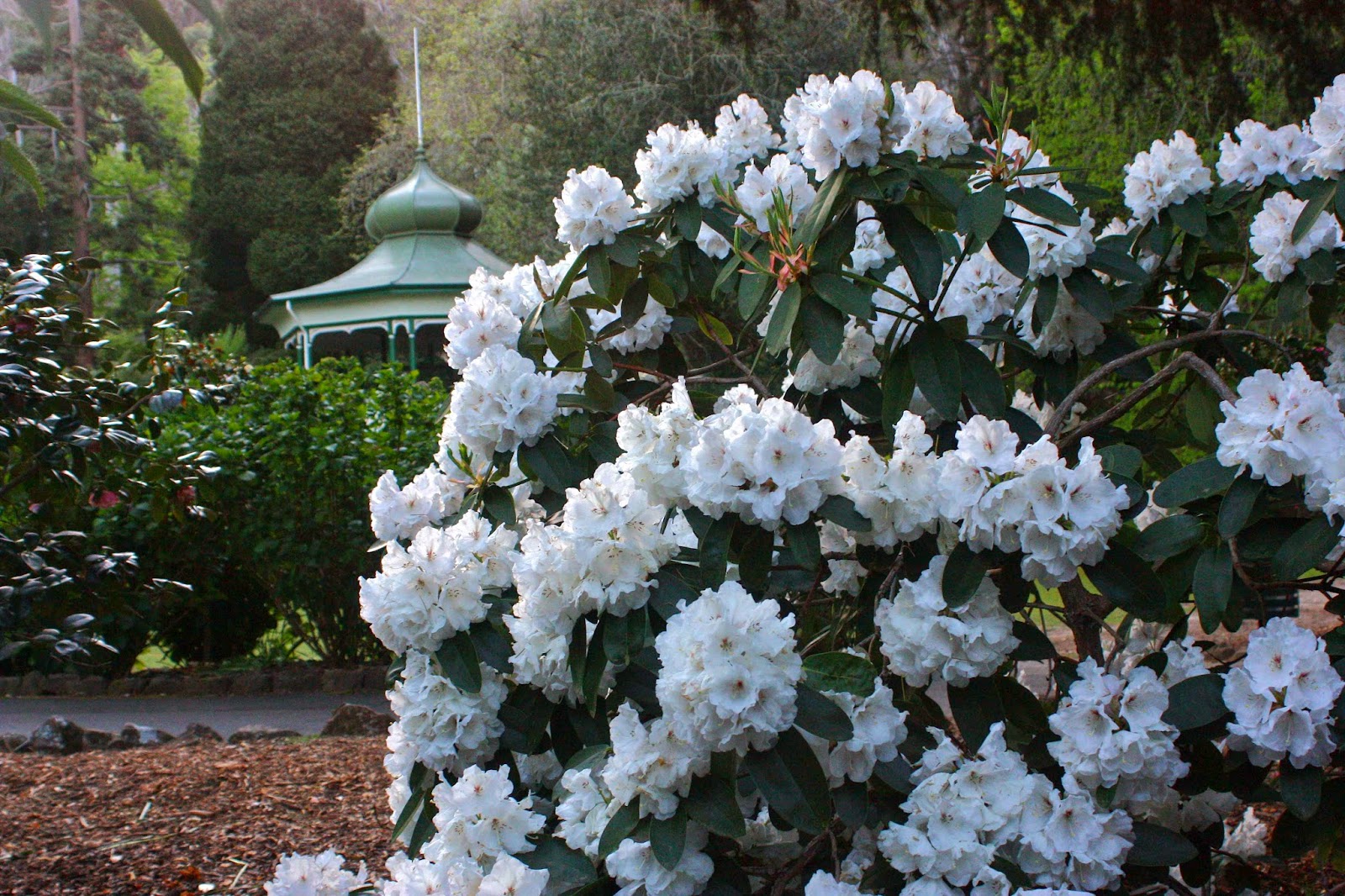
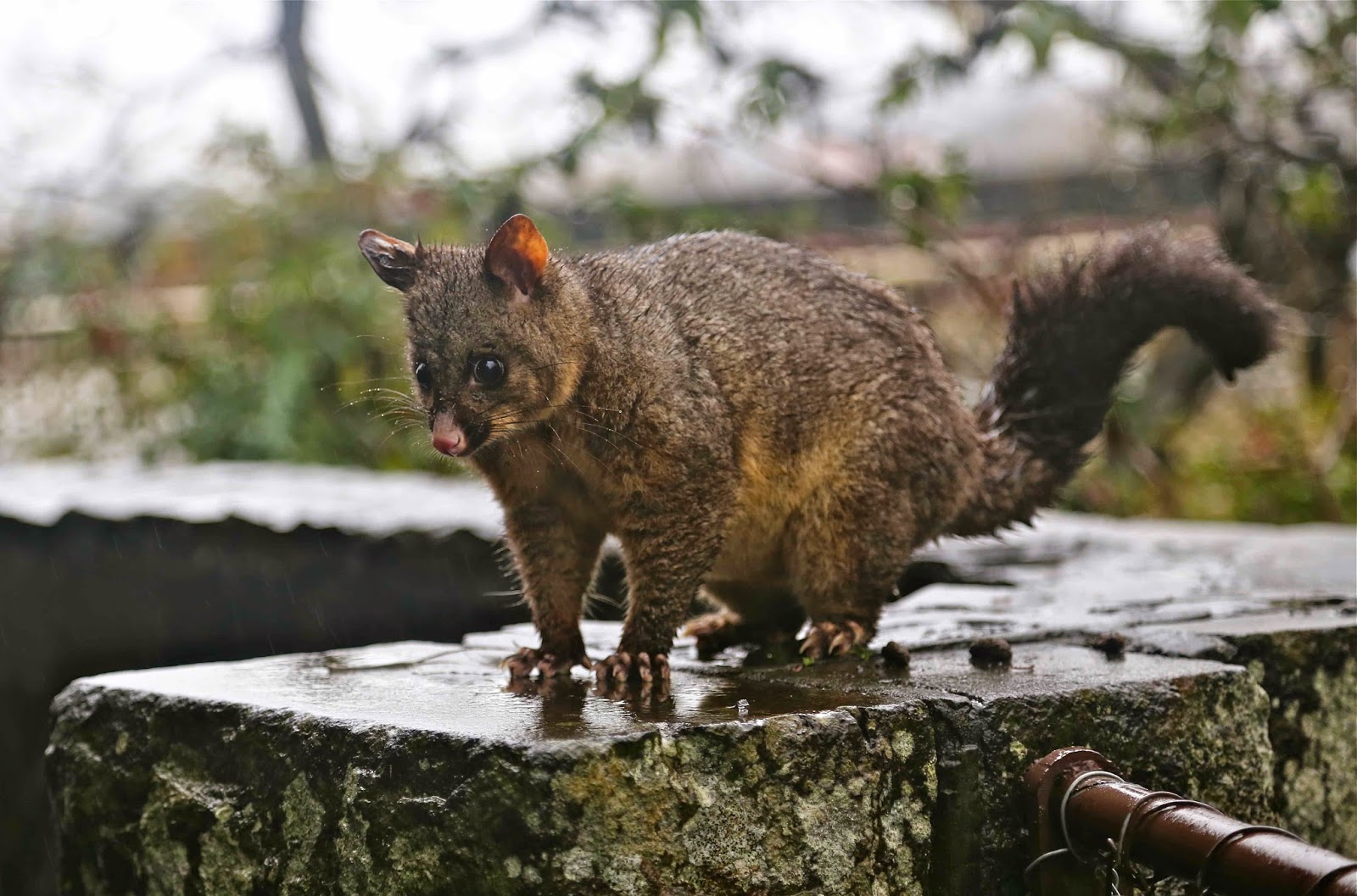
Paddymelons, wallabies, possums and peacocks play here, mostly undeterred by admiring visitors (and regulars). I love to see the first two hopping across my path, and enjoy the sight of mama peacocks attending to their young, teaching them how to forage under the rhododendrons.
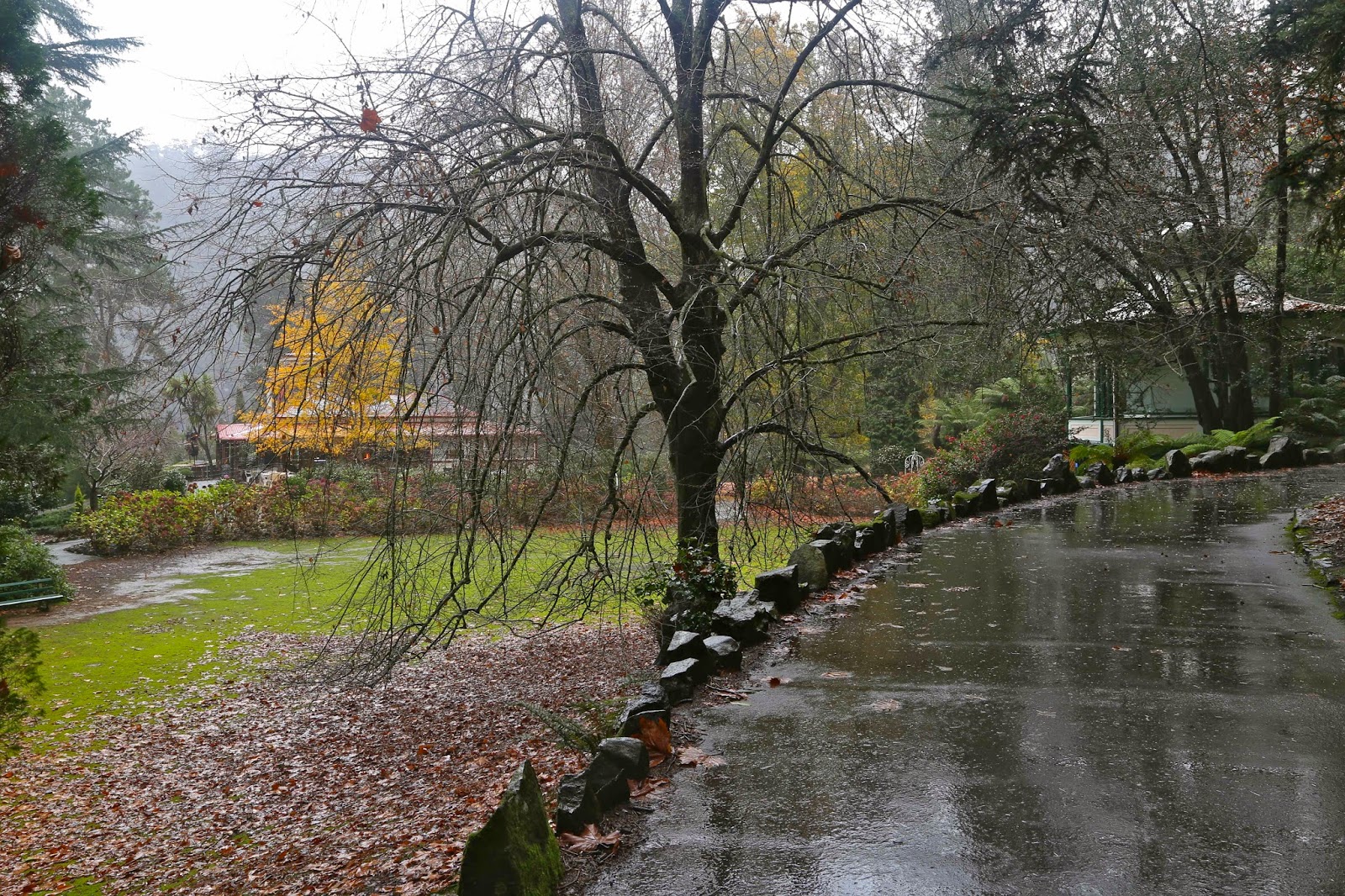
Last week, the gorge was in autumnal mood, all misty moisty and glistening. Here are some photos of that – I returned at lunchtime with my camera to record it.